
Sitting in the doctor’s office with yet another cold, you’re faced with a familiar dilemma.
You feel terrible—congested, exhausted, and achy—but you’ve heard about antibiotic resistance and you’re not sure if you really need that prescription.
Your doctor mentions that your illness is likely viral, which means antibiotics won’t actually help, but you’re desperate for relief and worried about getting worse.
The good news is that for many common viral illnesses, there are natural ways to support your immune system and help your body recover more effectively.
Understanding when to use antibiotics versus when to support your immune system naturally can help you make informed decisions about your health while preserving these important medications for when they’re truly needed.
In this post, we’ll explore 5 natural alternatives to antibiotics that can support your body during illness, starting with when antibiotics are actually necessary. Let’s dive in!
What Causes Antibiotic Overuse?
Antibiotics are powerful medications designed to fight bacterial infections, but they’re often prescribed for viral illnesses where they provide no benefit.
Understanding the difference between bacterial and viral infections is crucial for making informed health decisions.
Viral infections are caused by viruses and include common conditions like:
- The common cold
- Influenza (flu)
- Most sore throats
- Most coughs and bronchitis
- Many sinus infections
- Many ear infections
Antibiotics cannot kill viruses and will not help you recover from these conditions any faster.
Bacterial infections are caused by bacteria and may include:
- Strep throat
- Some pneumonia cases
- Urinary tract infections
- Some sinus infections (if lasting more than 10 days and worsening)
- Certain ear infections
Several factors contribute to antibiotic overuse:
Patient Pressure: Many people expect to receive a prescription when visiting the doctor and feel disappointed if they leave without one.
Uncertainty: It can be difficult to distinguish between viral and bacterial infections without proper testing, leading to “just in case” prescribing.
Desire for Quick Relief: When you’re suffering, you want immediate relief, and antibiotics seem like a fast solution even though they don’t work for viral infections.
Lack of Alternatives: Many people aren’t aware of effective natural approaches to support immune function during viral illness.
The consequences of antibiotic overuse are serious and include antibiotic resistance (when bacteria become immune to medications), disruption of healthy gut bacteria, increased side effects, and reduced effectiveness when antibiotics are truly needed.
By understanding when your body can handle an illness with immune support versus when you need medical intervention, you can make better choices for your health and help preserve antibiotic effectiveness for future generations.
5 Natural Alternatives to Antibiotics for Viral Infections
1. Take a Physician-Formulated Immune Support Supplement
When you’re fighting a viral infection, your immune system needs specific nutrients to function at its peak performance. A targeted immune support supplement with zinc, vitamin C, and echinacea can provide your body with the tools it needs to fight off viral invaders more effectively.
Zinc is particularly critical because it supports immune cell function and has been shown in studies to interfere with viral replication, potentially shortening the duration of illness.
Vitamin C acts as a powerful antioxidant that supports your white blood cells and helps protect your tissues from the damage caused by immune system activity.
Echinacea has been traditionally used for centuries to support the immune system during acute illness, and modern research suggests it may help reduce the severity and duration of cold symptoms.
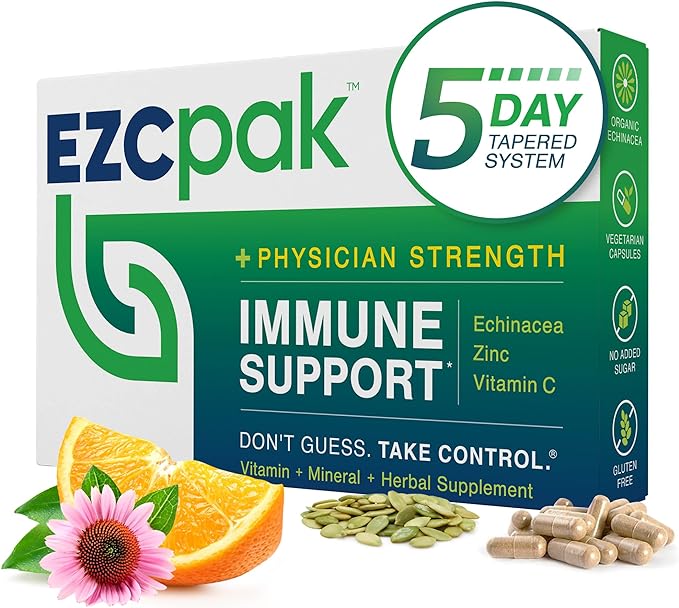
Out of all of the immune support supplements I’ve tried, the EZC Pak 5-Day Immune Support is my personal favorite.
The EZC Pak was specifically designed by a physician out of growing concern for antibiotic misuse, making it the perfect alternative for viral infections.
What sets it apart is the professional-strength dosing—these aren’t the low doses you find in typical drugstore immunity vitamins.
The EZC Pak uses much higher concentrations of certified organic echinacea, zinc, and vitamin C, delivered in a tapered 5-day system that provides higher doses when your body needs them most and gradually reduces as you recover.
Clinical studies have shown that EZC Pak can significantly reduce both the duration and severity of cold symptoms, with enhanced patient satisfaction compared to standard approaches.
The physician-directed 5-day system eliminates the guesswork—you know exactly what to take and when, giving your body the support it needs to fight the virus naturally.
Simply take the directed number of capsules each day for 5 days and you’re good to go!
2. Prioritize Quality Sleep and Complete Rest
Sleep is your immune system’s most powerful weapon against viral infections, yet it’s often the first thing we sacrifice when we’re busy or stressed.
When you sleep, your body produces and releases cytokines—proteins that target infection and inflammation—effectively mounting your immune response. Without adequate sleep, your body produces fewer of these crucial immune molecules, making it harder to fight off viruses and extending the duration of your illness.
Research shows that people who sleep less than 7 hours per night are nearly three times more likely to develop a cold than those who sleep 8 hours or more.
When you’re sick, aim for at least 8-9 hours of sleep per night, and don’t hesitate to take naps during the day. Your body is working incredibly hard to fight the infection, and rest provides the energy and resources it needs to do so effectively.
Create an optimal sleep environment by keeping your bedroom cool (around 65-68°F), dark, and quiet.
If congestion is making it difficult to sleep, try elevating your head with an extra pillow to promote drainage. Consider using a humidifier to add moisture to the air, which can soothe irritated airways and make breathing easier.
Most importantly, give yourself permission to slow down and actually rest.
Pushing through illness and maintaining your normal activity level forces your immune system to divide its resources between daily functions and fighting infection, which can significantly extend your recovery time. Your body needs rest to heal—it’s not optional, it’s essential medicine.
3. Stay Aggressively Hydrated
Hydration is one of the most underestimated strategies for supporting your immune system during viral illness, yet it’s absolutely critical for effective recovery.
When you’re fighting an infection, your body uses more fluids than usual to carry nutrients to cells, flush out toxins, maintain proper mucus membrane function, and regulate body temperature if you have a fever.
Dehydration weakens your immune response and makes symptoms like congestion, headache, and fatigue significantly worse.
During illness, aim to drink at least 10-12 glasses of fluid per day—more than your normal intake. The best choices are water, herbal teas, bone broth, and warm lemon water with honey.
Warm fluids are particularly beneficial because they help loosen mucus, soothe sore throat tissues, and the steam can help open nasal passages.
Herbal teas offer additional benefits: ginger tea has natural anti-inflammatory properties, peppermint tea contains menthol that can help ease congestion, and chamomile tea has calming properties that promote rest.
Bone broth or chicken soup isn’t just comfort food—it provides hydration along with minerals, amino acids, and anti-inflammatory compounds that support immune function.
Honey added to warm beverages provides natural properties that support your immune system and can help soothe throat irritation (never give honey to children under 1 year old).
Avoid alcohol and excessive caffeine, as both can dehydrate you and interfere with sleep quality. Also limit sugary drinks, as excess sugar can temporarily suppress immune function.
Keep a water bottle with you throughout the day as a reminder to drink consistently, and check your hydration status by monitoring urine color—it should be light yellow, not dark.
Proper hydration is simple, free, and remarkably effective at supporting your body’s natural healing process.
4. Use Garlic and Honey for Their Natural Properties
Garlic and honey are two ancient remedies that modern science has validated for their immune-supporting properties during viral illness.
Garlic contains a compound called allicin, which forms when garlic is crushed or chopped and has been shown in studies to have properties that support immune function.
Garlic may help reduce the severity and duration of cold symptoms and can support your body’s natural defenses against viral infections.
To maximize garlic’s benefits, crush or chop fresh garlic cloves and let them sit for 10 minutes before consuming—this allows the allicin to fully develop.
You can add raw garlic to foods, or if you can tolerate it, chew a small clove of raw garlic (though this can be quite intense). A gentler approach is to add crushed garlic to warm soup or tea, or mix it with honey.
Honey is more than just a natural sweetener—it contains antioxidants and has properties that have been recognized in traditional medicine for centuries.
Research shows that honey can help soothe throat irritation and may help ease coughing, particularly in children over age 1 (never give honey to infants under 12 months due to botulism risk).
Raw, unprocessed honey provides the most benefits, as processing can reduce its beneficial compounds.
A simple and effective remedy is to combine crushed garlic with raw honey—mix 1 crushed garlic clove with 1 tablespoon of raw honey and take it 2-3 times per day during acute illness. This combination provides immune support while the honey makes the garlic more palatable and adds its own beneficial properties.
You can also add both garlic and honey to warm herbal tea, creating a soothing beverage that supports your immune system while keeping you hydrated.
Another option is garlic-infused honey: place several crushed garlic cloves in a jar, cover with raw honey, and let it sit for a few days. Take 1 teaspoon of this mixture 2-3 times daily during illness.
These natural remedies work best when started at the first sign of symptoms and continued throughout the acute phase of illness.
5. Support Your Gut Health with Probiotics and Fermented Foods
You might be surprised to learn that approximately 70% of your immune system resides in your gut, making gut health crucial for effective immune function.
The beneficial bacteria in your digestive system play a vital role in supporting your immune response, producing compounds that help fight pathogens, and maintaining the integrity of your intestinal barrier.
When your gut microbiome is balanced and healthy, your immune system functions more effectively. Probiotics are beneficial bacteria that support gut health and immune function.
Research suggests that certain probiotic strains may help reduce the duration and severity of respiratory infections. You can get probiotics from supplements or from fermented foods, with food sources often providing a wider variety of beneficial strains.
The best food sources of probiotics include:
Yogurt with live cultures – Look for labels that say “live and active cultures” and avoid varieties with excessive added sugar.
Kefir – A fermented milk drink with a wider variety of beneficial bacteria than yogurt.
Sauerkraut – Fermented cabbage that’s rich in probiotics (choose refrigerated, unpasteurized varieties).
Kimchi – Korean fermented vegetables with beneficial bacteria and additional immune-supporting compounds.
Kombucha – Fermented tea that provides probiotics and hydration (choose low-sugar varieties).
Miso – Fermented soybean paste that can be made into a warm, soothing soup.
During illness, consuming probiotic-rich foods daily can help support your immune function and may speed recovery.
If you’ve recently taken antibiotics, probiotics are even more important to help restore the beneficial bacteria that antibiotics destroy along with harmful bacteria. Choose a high-quality probiotic supplement with multiple strains (at least 10 billion CFU) if you’re not getting enough from food sources.
Take probiotics on an empty stomach or with a small amount of food for best absorption.
In addition to probiotics, support your gut bacteria by eating prebiotic foods—the fiber that feeds beneficial bacteria. Good sources include garlic, onions, bananas, oats, and asparagus.
A healthy gut means a stronger immune response, making this one of the most important long-term strategies for reducing illness frequency and severity.
When You Actually Need Antibiotics
While natural immune support is effective for viral infections, it’s crucial to recognize when antibiotics are necessary and potentially life-saving.
You should see a healthcare provider and may need antibiotics if you experience:
- High fever (over 103°F/39.4°C) that persists for more than 3 days
- Symptoms that worsen after 5-7 days instead of improving
- Severe symptoms such as difficulty breathing, chest pain, or confusion
- Specific bacterial infections like strep throat (diagnosed with a rapid strep test)
- Symptoms lasting more than 10 days with no improvement
- Colored nasal discharge that worsens after initially improving (possible sinus infection)
- Painful urination with fever or back pain (possible UTI)
- Severe ear pain with drainage or hearing loss
Certain populations are at higher risk for complications and should seek medical care sooner:
- Young children and infants
- Adults over 65
- People with chronic health conditions
- Individuals with weakened immune systems
- Pregnant women
Important: This article provides educational information about supporting your immune system during viral illness, but it is not a substitute for professional medical advice.
If you’re unsure whether your illness is viral or bacterial, or if you have concerning symptoms, always consult with a healthcare provider.
They can perform appropriate tests to determine if antibiotics are necessary.
When antibiotics are prescribed appropriately for a confirmed bacterial infection, it’s crucial to take the full course exactly as directed, even if you start feeling better.
Stopping antibiotics early can lead to antibiotic resistance and allow the infection to return stronger.
The goal isn’t to avoid antibiotics entirely—it’s to use them wisely when they’re truly needed while supporting your immune system naturally for viral infections where antibiotics provide no benefit.
Support Your Immune System Responsibly
Understanding the difference between viral and bacterial infections empowers you to make informed decisions about your health and use antibiotics responsibly.
For the many common viral illnesses that don’t require antibiotics, supporting your immune system with targeted nutrients, prioritizing quality sleep and rest, staying well-hydrated, using garlic and honey, and maintaining gut health with probiotics can help your body fight off infection naturally and effectively.
These strategies work with your immune system rather than replacing it, helping you recover while preserving important antibiotics for when they’re truly necessary.
The key is recognizing early symptoms and taking action immediately to support your immune response—the sooner you start, the more effective these natural approaches can be.
By choosing natural immune support for viral infections and reserving antibiotics for bacterial infections when medically necessary, you’re not only taking care of your own health but also contributing to the solution for antibiotic resistance.
Remember, when you do need antibiotics for a confirmed bacterial infection, they can be life-saving medications—the goal is simply to use them wisely and appropriately.
With these natural alternatives in your wellness toolkit, you can support your body’s remarkable ability to heal while making responsible choices for your health and the health of future generations.
Thank you for reading!
Affiliate Disclosure
Some of the links on this site are affiliate links. This means that if you click on the link and purchase the item, we may receive an affiliate commission at no extra cost to you. I only recommend products or services that I believe will add value to my readers, however, some (not all) do pay us to be on this blog. Your support and theirs help keep this blog running, and I genuinely appreciate it.
Medical Disclaimer
The information provided on this website is for educational purposes only and is not intended as medical advice. This blog or the writer is not a licensed healthcare professional, and the content should not be used as a substitute for professional medical diagnosis, treatment, or advice. Always consult with your physician or other qualified healthcare provider before starting any new treatment or making any changes to your healthcare routine. If you suspect you have a bacterial infection or serious illness, seek medical attention immediately.
