
The modern world often feels like it’s running at warp speed, and sometimes, our brains just can’t keep up.
That feeling of hitting a mental wall, when simple tasks take forever, concentration drifts, and memory feels hazy, is known as brain fog.
It’s not a medical diagnosis in itself, but a descriptive term for a collection of frustrating cognitive symptoms that can seriously impact your productivity, mood, and overall quality of life.
If you’ve been struggling to think clearly, know that you’re not alone.
In this post, we will explore 5 ways to ease brain fog, starting with its causes.
Let’s dive in!
What Causes Brain Fog?
Brain fog isn’t caused by a single factor; rather, it’s usually the result of a combination of underlying issues.
Think of your brain’s cells, or neurons, as tiny power plants (mitochondria).
When these power plants are struggling, your brain can’t produce the energy needed for sharp focus and quick recall.
The most common causes driving this dysfunction include:
- Poor Sleep Quality: This is arguably the biggest culprit. The brain uses deep sleep to clear out metabolic waste (a process called the glymphatic system). If you don’t get enough restorative sleep, this waste builds up, leading to cognitive impairment.
- Chronic Stress: Long-term stress keeps the hormone cortisol elevated, which is known to damage the hippocampus—the brain region critical for memory and learning.
- Dietary Issues: High consumption of refined sugar, processed foods, and food sensitivities (like gluten or dairy for some people) can trigger systemic inflammation that spreads to the brain.
- Nutrient Deficiencies: Deficiencies in essential nutrients, particularly Vitamin B12, Vitamin D, and Magnesium, are commonly linked to fatigue and poor concentration.
- Underlying Health Conditions: Conditions like thyroid issues, autoimmune disorders, chronic infections (like Lyme disease), or post-viral syndrome (often seen after COVID-19) are frequent drivers of persistent brain fog.
5 Ways to Support Brain Fog
1. Methylene Blue Drops
This is a powerful and increasingly popular biohacking tool.
Methylene Blue (MB) is an FDA-approved compound traditionally used as a dye and for certain medical treatments, but its current popularity stems from its potent effect on the mitochondria.
MB acts as an electron carrier, helping your cells’ power plants work more efficiently.
By supporting mitochondrial energy production, MB can potentially increase neuronal energy, leading to better focus, memory, and a noticeable reduction in that cloudy feeling.
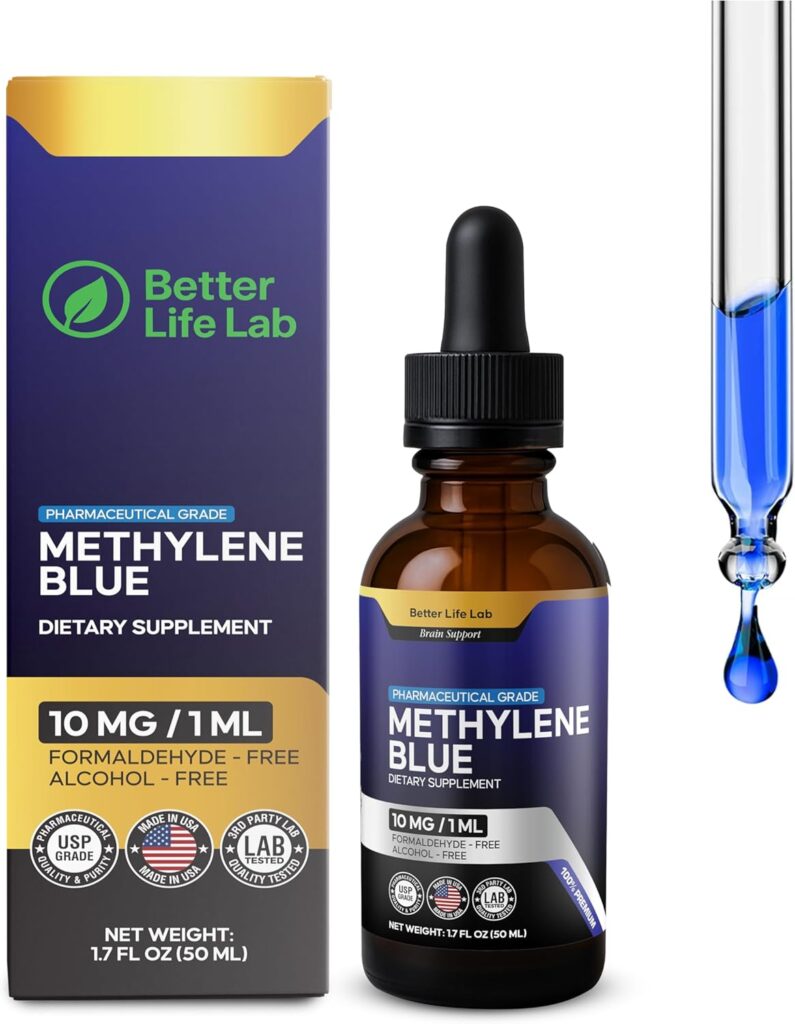
Out of all of the Methylene Blue Drops I have tried, Better Life’s Methylene Blue is my personal favorite.
Better Life’s Methylene Blue Drops are doctor-formulated and specifically designed to combat brain fog by naturally boosting cellular energy (ATP) production in the brain.
The product’s pharmaceutical-grade 99.99% purity and USP-grade quality ensure high potency and safety, validated by third-party testing.
By acting as a powerful electron carrier, these drops support mitochondrial function for improved focus, mental clarity, and long-lasting, crash-free energy.
Simply take one drop, and you’re good to go!
2. Optimize Sleep Hygiene
Since poor sleep is a primary driver of brain fog, making sleep non-negotiable is critical.
This means more than just spending time in bed; it means getting high-quality, deep sleep.
Commit to going to bed and waking up at the same time every day, even on weekends.
Ensure your bedroom is cool, dark, and quiet.
Stop using screens (phones, tablets, TV) at least an hour before bed, as the blue light they emit suppresses the production of the sleep hormone melatonin.
3. Increase Omega-3 Fatty Acids
Your brain is nearly 60% fat, and about half of that fat is made up of Omega-3s, especially DHA (docosahexaenoic acid).
These fats are crucial for building healthy brain cell membranes and are profoundly anti-inflammatory.
Since inflammation is a key cause of brain fog, incorporating high-quality sources of Omega-3s is essential.
Focus on eating fatty fish like salmon, mackerel, and sardines, or supplementing with a high-potency fish oil or algal oil supplement daily.
4. Practice Mindfulness and Reduce Chronic Stress
Brain fog and stress are locked in a vicious cycle.
Stress causes inflammation and depletes energy, while brain fog makes you feel more stressed because you can’t perform.
Breaking this cycle is vital.
Dedicate at least 10-15 minutes a day to stress reduction techniques.
This could be mindfulness meditation, deep-diaphragmatic breathing exercises, or gentle yoga.
By intentionally calming the nervous system, you reduce cortisol, which in turn helps lower brain inflammation and support cognitive function.
5. Adopt an Anti-Inflammatory Diet
What you eat directly impacts the level of inflammation in your body and brain.
To clear the fog, you need to minimize the foods that are inflammatory and maximize those that protect your brain.
Eliminate or severely restrict refined sugars and processed carbohydrates, as these cause blood sugar spikes and chronic inflammation.
Instead, focus on a diet rich in colorful vegetables, berries (which are packed with brain-protective antioxidants), healthy fats (like avocados and olive oil), and lean proteins.
Hydration is also key; the brain is sensitive to dehydration, so ensure you drink plenty of water throughout the day.
Supporting Brain Fog
If you’ve been struggling with that persistent cloudy feeling, understand that your brain is simply signaling that it needs better support.
By addressing the fundamental issues of energy production, sleep quality, stress, and inflammation through these five actionable strategies, you can begin to lift the veil of brain fog and reclaim your sharp, focused mental edge.
Thank you for reading, and here’s to a clearer mind!
Affiliate Disclosure
Some of the links on this site are affiliate links. This means that if you click on the link and purchase the item, we may receive an affiliate commission at no extra cost to you. I only recommend products or services that I believe will add value to my readers, however some (not all) do pay us to be on this blog. Your support and theirs helps keep this blog running, and I genuinely appreciate it.
Medical Disclaimer
The information provided on this website is for educational purposes only and is not intended as medical advice. This blog or the writer is not a licensed healthcare professional, and the content should not be used as a substitute for professional medical diagnosis, treatment, or advice. Always consult with your physician or other qualified healthcare provider before starting any new treatment or making any changes to your healthcare routine.
