
Postnasal drip is not only uncomfortable: it can also be distracting, making it harder to sleep, breathe easily, or get through your day without constant throat clearing.
The feeling of mucus dripping down the back of your throat can be triggered by many different factors, but thankfully, several natural remedies can bring soothing relief.
In this post, we will explore 5 ways to ease postnasal drip, starting with its causes.
Let’s dive in!
What Causes Postnasal Drip?
Postnasal drip happens when your body produces excess mucus or when mucus becomes too thick to drain properly.
Common causes include allergies, sinus infections, viral illnesses, cold weather, dry indoor air, GERD, and irritants like smoke or strong scents.
When mucus collects instead of draining normally, it begins dripping down the throat, leading to coughing, hoarseness, throat irritation, and that constant urge to swallow or clear your throat.
Identifying the cause helps you choose the most effective relief strategies.
5 Ways to Ease Postnasal Drip
1. Try Mullein Drops
Mullein is a soothing herb traditionally used to support the respiratory system.
Mullein drops can help thin thick mucus, calm throat irritation, and promote smoother drainage, making them especially helpful for allergy-related or cold-related postnasal drip.
Just adding a few drops to water can provide gentle, natural relief.
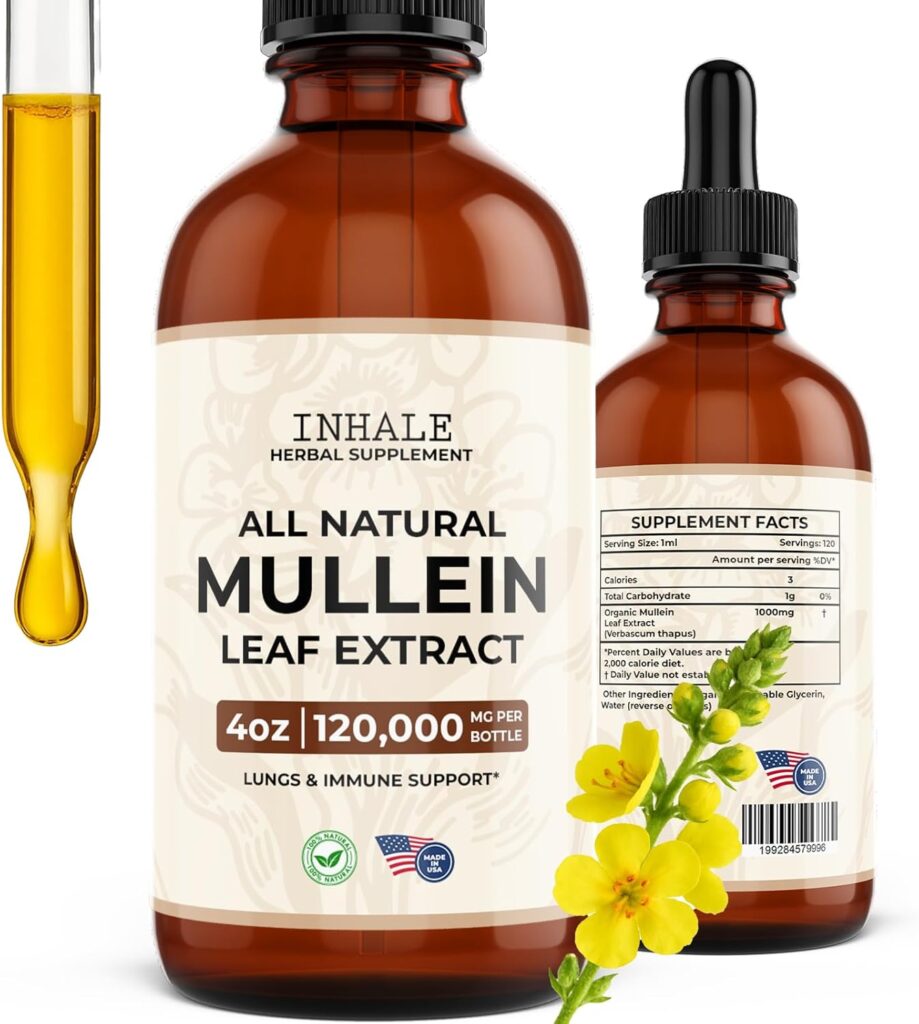
Out of all of the mullein drops I’ve tried, Inhale’s new Mullein Drops are my personal favorite.
Inhale’s drops are an excellent choice for easing postnasal drip because their high-potency mullein extract helps thin and clear stubborn mucus while soothing irritation in the throat.
The fast-absorbing liquid formula works more quickly than capsules or powders, making it easier to breathe comfortably when congestion builds up.
Made from premium mullein leaves and flowers, this tincture supports overall respiratory health and immune function, giving you gentle, natural relief.
Simply take 1-3 drops per day and you’re good to go!
2. Use a Humidifier
Dry indoor air, especially during winter or in air-conditioned environments, can thicken mucus and make postnasal drip worse.
A humidifier adds moisture to the air, helping to thin secretions, reduce coughing, and soothe irritated tissues.
Running one overnight often improves symptoms by morning.
For best results and cleanliness, consider using distilled water.
3. Stay Hydrated
Proper hydration keeps mucus thin and easier to clear.
When you’re even mildly dehydrated, mucus becomes thicker and stickier, worsening the sensation of buildup.
Drinking plenty of water, herbal tea, or warm broth can help loosen mucus and soothe the throat.
4. Try Nasal Saline Rinses
A saline rinse helps flush out excess mucus, allergens, bacteria, and irritants that contribute to sinus congestion.
Using a neti pot or saline squeeze bottle once or twice a day can improve nasal drainage and significantly reduce that persistent drip.
If you exercise regularly, consider using a saline rinse after your workouts as well.
5. Avoid Irritants
Environmental triggers can make postnasal drip flare up quickly.
Common irritants include cigarette smoke, perfumes, cleaning chemicals, cold air, and even spicy foods.
Identifying and avoiding your personal triggers, while using an air purifier or choosing unscented products, can help prevent symptoms from returning.
Support Postnasal Drip
Postnasal drip can be frustrating, but simple, natural remedies like mullein drops, hydration, humidifiers, and saline rinses can offer meaningful support.
If symptoms persist, worsen, or interfere with daily life, be sure to check in with a healthcare professional for personalized guidance.
With small changes to your daily routine and a better understanding of your triggers, you can soothe irritation and breathe more comfortably.
Thank you for reading!
Affiliate Disclosure
Some of the links on this site are affiliate links. This means that if you click on the link and purchase the item, we may receive an affiliate commission at no extra cost to you. I only recommend products or services that I believe will add value to my readers, however some (not all) do pay us to be on this blog. Your support and theirs helps keep this blog running, and I genuinely appreciate it.
Medical Disclaimer
The information provided on this website is for educational purposes only and is not intended as medical advice. This blog or the writer is not a licensed healthcare professional, and the content should not be used as a substitute for professional medical diagnosis, treatment, or advice. Always consult with your physician or other qualified healthcare provider before starting any new treatment or making any changes to your healthcare routine.
