
Waking up with a firm, painless bump on your eyelid can be frustrating – especially when it lingers for weeks or even months.
While it is easy to mistake a chalazion for a common stye, these two eyelid issues are actually quite different.
Knowing how to tell them apart and implementing a gentle daily care routine can help clear the blockage, restore healthy oil flow, and get your eyelids feeling smooth and comfortable again.
In this post, we will explore 5 ways to support chalazion, starting with what it is.
Let’s dive in!
What is a Chalazion?
A chalazion (plural: chalazia) is a small, firm, and usually painless lump that develops inside the upper or lower eyelid.
It occurs when one of the eye’s meibomian glands—the microscopic oil-producing glands located along the base of your eyelashes—becomes chronically blocked.
How Does a Chalazion Form?
Every time you blink, your meibomian glands secrete a clear oil that prevents your natural tears from evaporating.
If a gland becomes clogged, the oil backs up and thickens inside the tissue.
Over time, your body’s immune system responds to this trapped oil by forming a smooth, firm wall around it, creating a localized nodule.
5 Ways to Support Chalazia at Home
Clearing a chalazion requires breaking down the trapped, hardened oil and encouraging the gland to drain naturally.
1. Apply a Warm Eye Mask
Applying targeted, continuous heat is the most effective way to address a chalazion.
The oil trapped inside the gland has hardened into a thick, waxy consistency.
Applying a sustained heat source softens that oil, turning it back into a liquid state so it can slowly drain out.
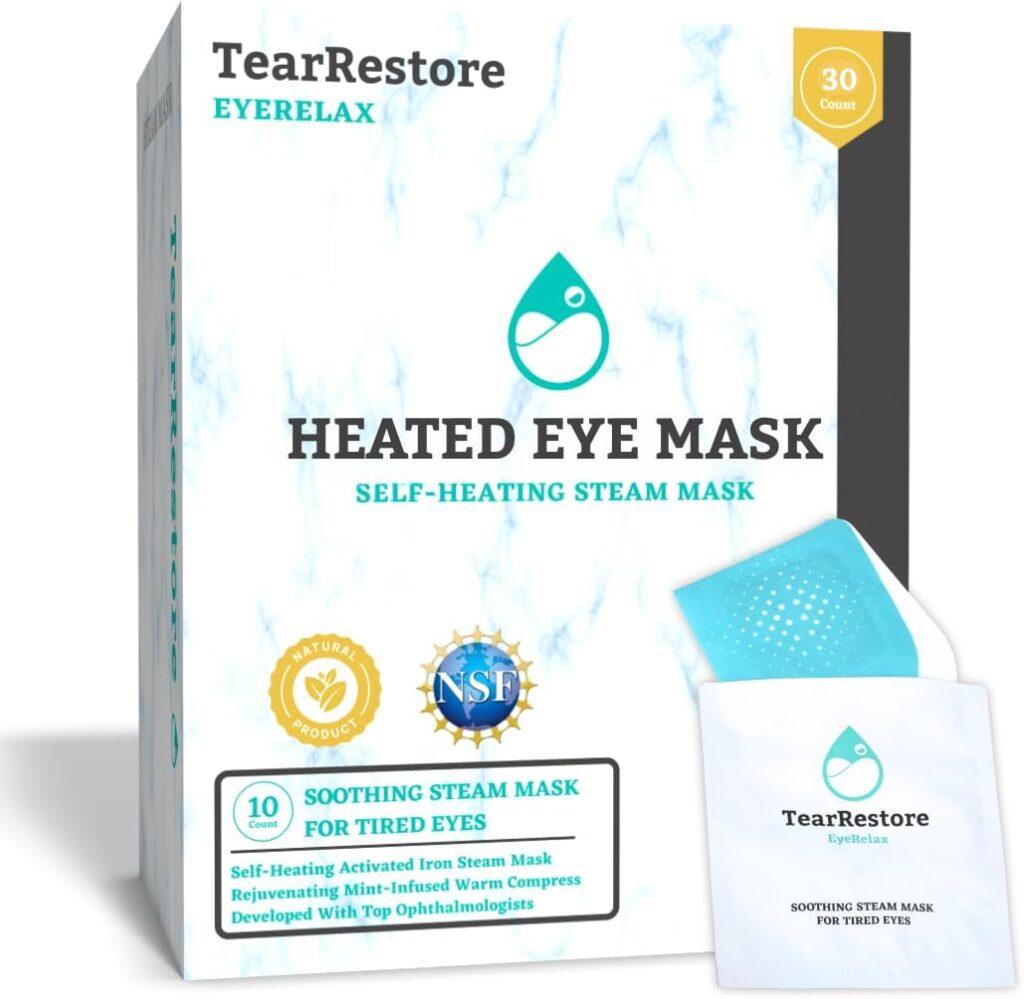
Using a dedicated warm eye compress works best because it holds a therapeutic temperature (around 104°F to 110°F) for the full 10 to 15 minutes needed, whereas traditional wet washcloths lose their heat in under two minutes.
This warm eye mask is our favorite because its innovative design delivers continuous, therapeutic heat directly to the eyelids for the full 10 to 15 minutes needed to liquefy thick, trapped oil within the blocked meibomian gland.
Unlike washcloths, its unique self-heating technology activates instantly without a
microwave, opening clogged pores and promoting natural gland drainage.
Simply follow the directions on the back, and you’re good to go!
2. Cleanse with Tea Tree Eyelid Wipes
Once the warmth softens the hardened oil, you must clear away the buildup sitting at the gland opening.
Dead skin, crusty discharge, and bacteria can form a microscopic plug over the lash line.
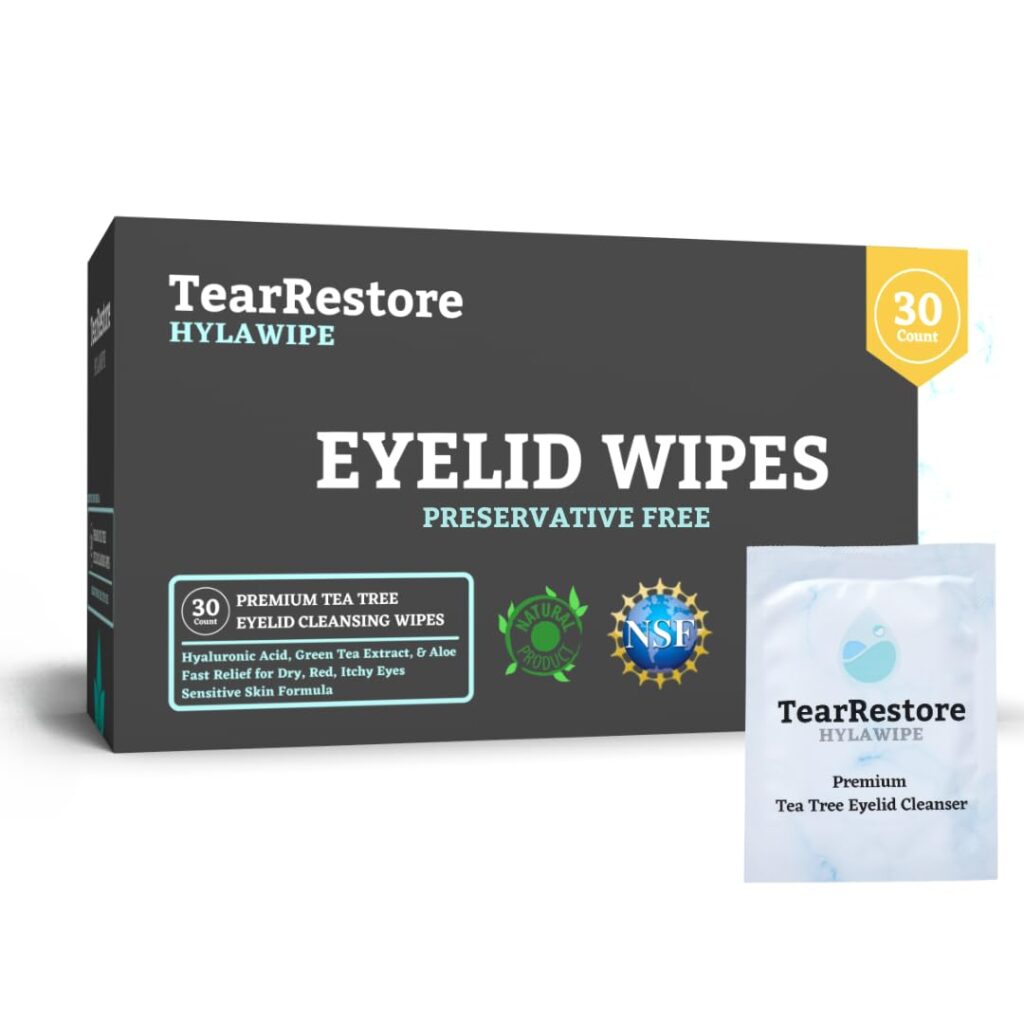
Using tea tree eyelid wipes allows you to gently sweep away this debris while taking advantage of tea tree oil’s natural antimicrobial and anti-inflammatory properties.
Cleansing the lid margins once or twice daily keeps the gland opening clear, creating an open pathway for the trapped oil to escape safely.
We love these tea tree eyelid wipes because they effectively sweep away the crust, dead skin, and bacterial buildup that block the gland openings along your lash line.
Formulated with natural tea tree oil, hyaluronic acid, and aloe, these hypoallergenic wipes soothe localized swelling while keeping the lid margins clear, creating an ideal, hygienic environment for the softened oil inside the chalazion to safely drain away.
Simply follow the directions on the back, and you’re good to go!
3. Perform Gentle Eyelid Massages
Right after applying your warm compress, perform a light, targeted eyelid massage to help coax the liquefied oil out of the gland:
- Wash your hands thoroughly with soap and water.
- For a chalazion on the upper eyelid, place a clean fingertip above the bump and sweep downward toward your eyelashes.
- For a chalazion on the lower eyelid, sweep upward toward your eyelashes.
- Apply gentle, light pressure. Never press directly into your eyeball, and never try to squeeze or pop a chalazion like a pimple. Popping it can push the inflammation deeper into the eyelid tissue and cause a severe infection.
4. Pause Eye Makeup and Contact Lenses
To give the delicate skin on your eyelid room to breathe and heal, pause the use of eye cosmetics (such as mascara, eyeliner, and eye cream) while treating an active chalazion.
Makeup pigments and applicators can trap bacteria against the clogged gland opening or introduce fresh irritants.
If you wear contact lenses, consider switching to glasses until the bump resolves to prevent bacteria from getting trapped against your cornea.
5. Practice Strict Hygiene and Use Hypochlorous Acid Spray
Preventing future gland blockages requires keeping your overall ocular environment balanced.
Incorporating a daily, pet-safe or medical-grade Hypochlorous Acid (HOCl) eyelid spray can help lower the bacterial load on your skin without irritating sensitive eyes.
Pair this with a strict hygiene routine: always wash your hands before touching your face, replace expired eye makeup every three months, and thoroughly clean your makeup brushes regularly.
Supporting Chalazia
Most chalazia gradually shrink and drain on their own over four to eight weeks with consistent heat and hygiene care.
However, if the bump becomes extremely large, presses against your eye enough to blur your vision, or shows signs of a spreading red infection, consult an eye care professional for an evaluation.
Thank you for reading, and here is to clear, comfortable, and healthy eyes!
Affiliate Disclosure
Some of the links on this site are affiliate links. This means that if you click on the link and purchase the item, we may receive an affiliate commission at no extra cost to you. I only recommend products or services that I believe will add value to my readers, however some (not all) do pay us to be on this blog. Your support and theirs helps keep this blog running, and I genuinely appreciate it.
Medical Disclaimer
The information provided on this website is for educational purposes only and is not intended as medical advice. This blog or the writer is not a licensed healthcare professional, and the content should not be used as a substitute for professional medical diagnosis, treatment, or advice. Always consult with your physician or other qualified healthcare provider before starting any new treatment or making any changes to your healthcare routine.
