
You wake up in the middle of the night with that all-too-familiar feeling—a painful, scratchy sensation in your throat that makes you wince every time you swallow.
By morning, it’s even worse. Each swallow feels like sandpaper, talking is uncomfortable, and you’re already worried about whether this is going to turn into something more serious. You debate whether you need to see a doctor, take time off work, or if there’s something you can do at home to get relief fast.
Sore throats are one of the most common reasons people visit the doctor, accounting for over 13 million doctor visits each year in the United States alone.
The frustrating part? Most sore throats are caused by viral infections that antibiotics can’t treat, meaning you’re often left to wait it out while suffering through the discomfort.
The good news is that there are effective, natural ways to soothe your sore throat and support your body’s healing process while you recover. Understanding what’s causing your throat pain and knowing which remedies actually work can help you feel better faster and avoid unnecessary medications.
In this post, we’ll explore 5 natural ways to ease sore throat discomfort and support your immune system during recovery. Let’s dive in!
What Causes a Sore Throat?
A sore throat is inflammation of the area at the back of your throat, causing that painful, scratchy sensation that makes swallowing difficult.
Understanding the cause is crucial because it determines whether you need medical treatment or can manage it naturally at home.
Viral Infections (80-90% of Sore Throats)
The vast majority of sore throats are caused by viruses, which means antibiotics will not help and the infection must run its course with supportive care.
Common viral causes include:
- Common cold viruses (most frequent cause)
- Influenza (flu)
- COVID-19
- Mononucleosis
Viral sore throats typically develop gradually, last 3-7 days, and are often accompanied by other symptoms like congestion, cough, or body aches.
Bacterial Infections (10-20% of Sore Throats)
Strep throat is the most common bacterial cause, requiring diagnosis with a rapid strep test and antibiotic treatment.
Strep throat typically causes:
- Sudden, severe throat pain
- Red, swollen tonsils with white patches
- Fever over 101°F
- Swollen lymph nodes
- No cough or cold symptoms
Important: Untreated strep can lead to serious complications like rheumatic fever. See a doctor if you suspect strep throat.
Other Common Causes
- Allergies – Postnasal drip irritates the throat
- Dry air – Especially during winter months
- Irritants – Smoke, pollution, chemical fumes
- GERD – Stomach acid backing up into the throat
- Vocal strain – Yelling, talking loudly for extended periods
Key takeaway: 80-90% of sore throats are viral and will improve on their own with proper supportive care. Now let’s explore the natural remedies that provide real relief.
5 Natural Ways to Soothe a Sore Throat
1. Support Your Immune System with Targeted Nutrients
When you’re dealing with a viral sore throat, your immune system is working overtime to fight off the infection, and it needs specific nutrients to function at peak performance.
The tissues in your throat are under direct attack from viral invaders, creating the painful inflammation you’re experiencing right now.
Supporting your immune system with zinc, vitamin C, and echinacea can help your body mount a stronger defense while potentially reducing both the duration and severity of your symptoms.
Zinc plays a crucial role in immune cell function and has been shown in studies to interfere with viral replication in the throat. Research suggests that zinc supplementation started within 24 hours of symptom onset may help shorten the duration of throat discomfort. Zinc also helps maintain the integrity of the mucous membranes in your throat, supporting the barrier between you and harmful pathogens.
Vitamin C is a powerful antioxidant that supports white blood cell function—the cells that fight viral infections. When your immune system is actively fighting an infection, it consumes vitamin C at a much higher rate than normal. Vitamin C also helps protect throat tissues from the oxidative damage that occurs during inflammation.
Echinacea has been used for centuries to support the immune system during acute illness, and modern research suggests it may help reduce the severity and duration of upper respiratory symptoms including sore throat.
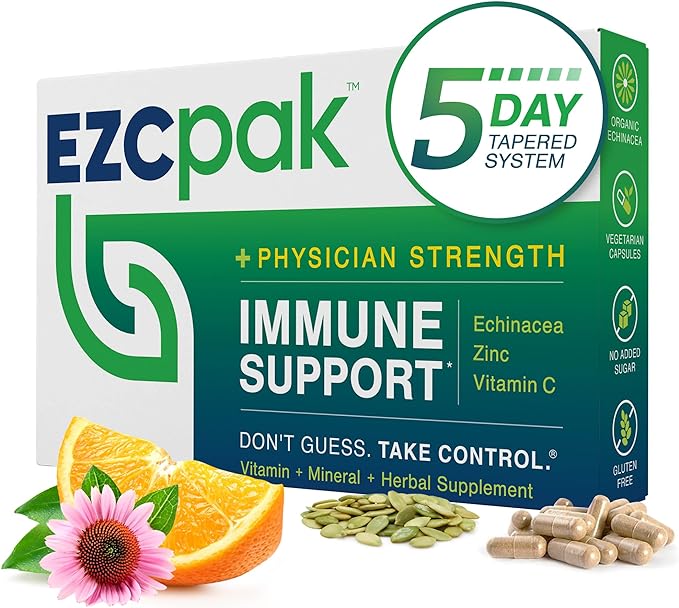
Out of all of the immune support supplements I’ve tried, the EZC Pak 5-Day Immune Support is my personal favorite for sore throat relief.
The EZC Pak was specifically formulated by a physician with professional-strength doses of zinc, vitamin C, and certified organic echinacea—much higher concentrations than you’ll find in typical drugstore immunity vitamins.
What makes it particularly effective for sore throat is the tapered 5-day dosing system that provides maximum support when your symptoms are worst and gradually reduces as you recover. This physician-directed approach eliminates the guesswork and ensures your throat tissues and immune system get the targeted support they need precisely when they need it most.
Clinical studies have shown that EZC Pak can significantly reduce both the duration and severity of cold symptoms, including throat discomfort, with enhanced patient satisfaction compared to standard approaches.
Simply take the directed number of capsules each day for 5 days and you’re good to go!
The combination of zinc’s throat-soothing properties, vitamin C’s immune support, and echinacea’s traditional benefits makes this a comprehensive approach to supporting your body while it fights the viral infection causing your sore throat.
2. Gargle with Warm Salt Water
Salt water gargles are one of the oldest and most effective home remedies for sore throat, and there’s solid science behind why this simple solution provides genuine relief.
How salt water helps:
Reduces swelling – Salt water draws excess fluid out of swollen, inflamed throat tissues through osmotic action, reducing the puffiness that makes swallowing painful.
Loosens mucus – Helps break up thick mucus and phlegm, making it easier to expel.
Creates an inhospitable environment – Salt water reduces bacteria and viruses in your throat while your immune system clears the infection.
Soothes tissues – Provides immediate soothing relief to irritated throat tissues.
How to gargle properly:
Mix 1/4 to 1/2 teaspoon of salt into 8 ounces of warm water. Stir until completely dissolved.
Take a comfortable mouthful, tilt your head back, and gargle for 15-30 seconds, letting the liquid reach as far back as possible.
Spit out completely—do not swallow.
Gargle 3-4 times per day: first thing in the morning, after meals, before bed, and whenever your throat feels particularly painful.
Salt water gargles are safe, effective, inexpensive, and provide relief within minutes. The key is consistency—gargling regularly throughout the day provides cumulative benefits that speed healing and reduce discomfort.
3. Drink Warm Liquids with Honey
Warm liquids combined with honey create a powerful duo for soothing sore throat pain. This isn’t just folk wisdom—there’s substantial research backing up the effectiveness of both warmth and honey.
Why warm liquids help:
- Increase blood flow to throat tissues, bringing immune cells and nutrients
- Relax tense throat muscles
- Thin thick mucus for easier clearing
- Provide immediate comfort
- Keep you hydrated for healing
Why honey is particularly effective:
Research shows that honey is remarkably effective for soothing throat discomfort and reducing cough—in some studies performing as well as common cough suppressant medications.
Honey’s thick texture coats and soothes irritated throat tissues, providing a protective barrier. It contains natural compounds recognized in traditional medicine for supporting throat comfort, plus antioxidants that help protect tissues during inflammation.
Best warm liquids for sore throat:
- Herbal tea with honey – Chamomile (calming), ginger (anti-inflammatory), peppermint (opens airways)
- Warm lemon water with honey – Lemon provides vitamin C and cuts through mucus
- Bone broth or chicken soup – Provides hydration, warmth, nutrients, and amino acids for tissue repair
- Warm apple cider – Soothing and pleasant when your throat hurts
How to use honey for maximum benefit:
Use raw, unprocessed honey when possible for maximum beneficial compounds. Take 1-2 tablespoons directly or mix into warm beverages.
Add honey after your drink cools slightly (not boiling) to preserve beneficial properties. Sip slowly to maximize contact time with your sore throat.
CRITICAL WARNING: Never give honey to infants under 12 months of age due to the risk of botulism.
Aim to drink 8-10 cups of warm, soothing liquids throughout the day with honey added to several of them. This simple remedy provides both immediate comfort and support for healing.

4. Use a Humidifier and Stay Well-Hydrated
Moisture is absolutely critical when dealing with a sore throat—both in the air you breathe and in your overall hydration.
Why dry air worsens sore throat:
Dry air evaporates moisture from the mucous membranes in your throat. These membranes need to stay moist to function properly and heal effectively. Dry tissues become more painful, more susceptible to infection, and heal more slowly.
How a humidifier helps:
A humidifier maintains optimal humidity levels (40-50%) that keep throat tissues hydrated and comfortable.
Benefits include:
- Prevents tissue drying and reduces scratchy sensation
- Reduces irritation to inflamed tissues
- Thins mucus for easier clearing
- Improves healing speed
- Eases breathing and reduces coughing
- Better sleep quality
Humidifier tips:
Use a cool-mist humidifier in your bedroom while you sleep. Place it 3-6 feet from your bed. Clean it every 2-3 days to prevent mold. Use distilled water to minimize mineral buildup. Run it continuously while sleeping.
The critical importance of hydration:
When fighting an infection, your body uses fluids at an accelerated rate to produce mucus, carry immune cells, flush out toxins, and regulate temperature. Dehydration makes every symptom worse.
How to stay properly hydrated:
Drink at least 10-12 glasses (80-96 oz) of fluid per day—more than your normal intake.
Best choices: warm water, herbal teas with honey, warm lemon water, bone broth, coconut water.
Keep beverages with you at all times. Set hourly reminders to drink. Monitor urine color—it should be light yellow.
Avoid: very cold drinks, alcohol (dehydrating), excessive caffeine, sugary sodas.
The combination of humid air and aggressive hydration creates an optimal healing environment and supports your immune system’s efforts to clear the infection.
5. Get Quality Sleep
When your throat is sore, inadequate sleep directly impairs your immune system’s ability to fight infection.
Why sleep is your immune system’s secret weapon:
During deep sleep, your body produces infection-fighting proteins, generates immune cells, reduces stress hormones, repairs damaged tissues, and conserves energy for healing.
Research shows people who sleep less than 7 hours per night are nearly three times more likely to develop respiratory infections.
How to optimize sleep with a sore throat:
Aim for 8-10 hours per night plus daytime naps if possible. Elevate your head with an extra pillow to help drainage and reduce swelling.
Run a humidifier in your bedroom to prevent overnight drying. Keep water at your bedside.
Take a spoonful of honey before bed to coat your throat.
Keep the room cool (65-68°F). Gargle with salt water before bed.
Take your immune support supplement before bed to maximize overnight healing.
Give yourself permission to rest:
Reframe rest as medicine. You’re not being lazy—you’re actively healing. Pushing through illness forces your immune system to divide resources, significantly extending recovery time.
Your body needs rest to heal. It’s essential medicine that costs nothing and has no side effects except feeling better faster.
When to See a Doctor
While most sore throats improve on their own within 3-7 days, certain symptoms require medical evaluation.
See a doctor promptly if you experience:
- Severe difficulty swallowing or breathing
- Drooling or inability to swallow saliva
- Sudden onset of severe pain with fever over 101°F
- White patches or streaks of pus on your throat
- Swollen, tender lymph nodes with no cold symptoms
- Sore throat lasting more than 7-10 days
- High fever (over 103°F) or fever lasting more than 3 days
- Blood in saliva or phlegm
- Severe swelling of throat or tongue
- Rash anywhere on your body
About strep throat:
Strep requires a rapid strep test and antibiotic treatment. Untreated strep can lead to serious complications including rheumatic fever and kidney inflammation.
When you need urgent care (ER):
Severe difficulty breathing, inability to swallow liquids or saliva, high fever with stiff neck, or signs of dehydration require immediate emergency care.
Important: This article provides educational information but is not a substitute for professional medical advice. When in doubt, seek medical attention.
Get Fast Sore Throat Relief
Most sore throats are viral and will improve within a week with proper supportive care.
By supporting your immune system with targeted nutrients, gargling with warm salt water, drinking warm liquids with honey, using a humidifier and staying hydrated, and prioritizing rest, you can significantly reduce throat pain and speed recovery.
The key is starting these remedies at the first scratchy sensation—early intervention provides the best results.
These natural approaches work with your body’s healing processes rather than just masking symptoms, helping you feel better while your immune system clears the infection.
With these remedies in your wellness toolkit, you can soothe throat discomfort and get back to feeling like yourself as quickly as possible.
Thank you for reading!
Affiliate Disclosure
Some of the links on this site are affiliate links. This means that if you click on the link and purchase the item, we may receive an affiliate commission at no extra cost to you. I only recommend products or services that I believe will add value to my readers, however, some (not all) do pay us to be on this blog. Your support and theirs help keep this blog running, and I genuinely appreciate it.
Medical Disclaimer
The information provided on this website is for educational purposes only and is not intended as medical advice. This blog or the writer is not a licensed healthcare professional, and the content should not be used as a substitute for professional medical diagnosis, treatment, or advice. Always consult with your physician or other qualified healthcare provider before starting any new treatment or making any changes to your healthcare routine. If you suspect you have strep throat or difficulty breathing, seek medical attention immediately.
