
That heavy, tight feeling in your chest, often accompanied by a rattling cough and difficulty taking a deep breath, is known as chest congestion.
It happens when the airways, lungs, and surrounding tissues become inflamed and fill with excess mucus (phlegm).
While generally a symptom of a minor infection, the discomfort can be significant, disrupting sleep, work, and exercise.
Fortunately, the body is designed to clear this mucus, and in this post, we will explore 5 ways to ease chest congestion, starting with its causes.
Let’s dive in!
What Causes Chest Congestion?
Chest congestion occurs when the body’s natural defense mechanisms (primarily the production of mucus) go into overdrive to trap and flush out foreign invaders or irritants.
The excess mucus and inflammation are typically triggered by:
- Viral Infections: The most common causes include the common cold, flu, and RSV. The body responds to the virus by producing thick mucus to trap the pathogens.
- Bacterial Infections: Infections like bronchitis or pneumonia cause severe inflammation and the production of colored (yellow, green, or brown) phlegm.
- Allergies: Exposure to allergens like pollen, dust mites, or pet dander can irritate the nasal passages and lungs, leading to inflammation and post-nasal drip that settles in the chest.
- Environmental Irritants: Exposure to smoke, strong chemicals, or pollution can irritate the respiratory lining, causing the production of mucus as a protective mechanism.
- Asthma: Inflammation of the airways in asthma attacks leads to mucus buildup and constriction, resulting in chest tightness and wheezing.
The main issue is that the mucus becomes too thick and sticky, making it difficult for the tiny hairs (cilia) lining the airways to move it out, leaving you feeling clogged.
5 Ways to Ease Chest Congestion
Easing chest congestion involves two main goals: thinning the mucus (making it easier to cough up) and soothing the irritated airways. These five methods provide both expectorant and soothing relief.
1. Mullein Drops
Mullein (Verbascum thapsus) is a traditional herbal remedy long celebrated for its potent respiratory benefits.
It works on chest congestion in two primary ways, being both an expectorant and a demulcent.
As an expectorant, mullein helps the lungs expel phlegm by making the mucus thinner and easier to cough out.
As a demulcent, it contains soothing compounds that coat the irritated mucous membranes in the throat and lungs, which can help calm the cough reflex and soothe inflammation.
Taking Mullein as a tincture or drops allows for rapid absorption and direct delivery of these beneficial compounds to support respiratory clearance.
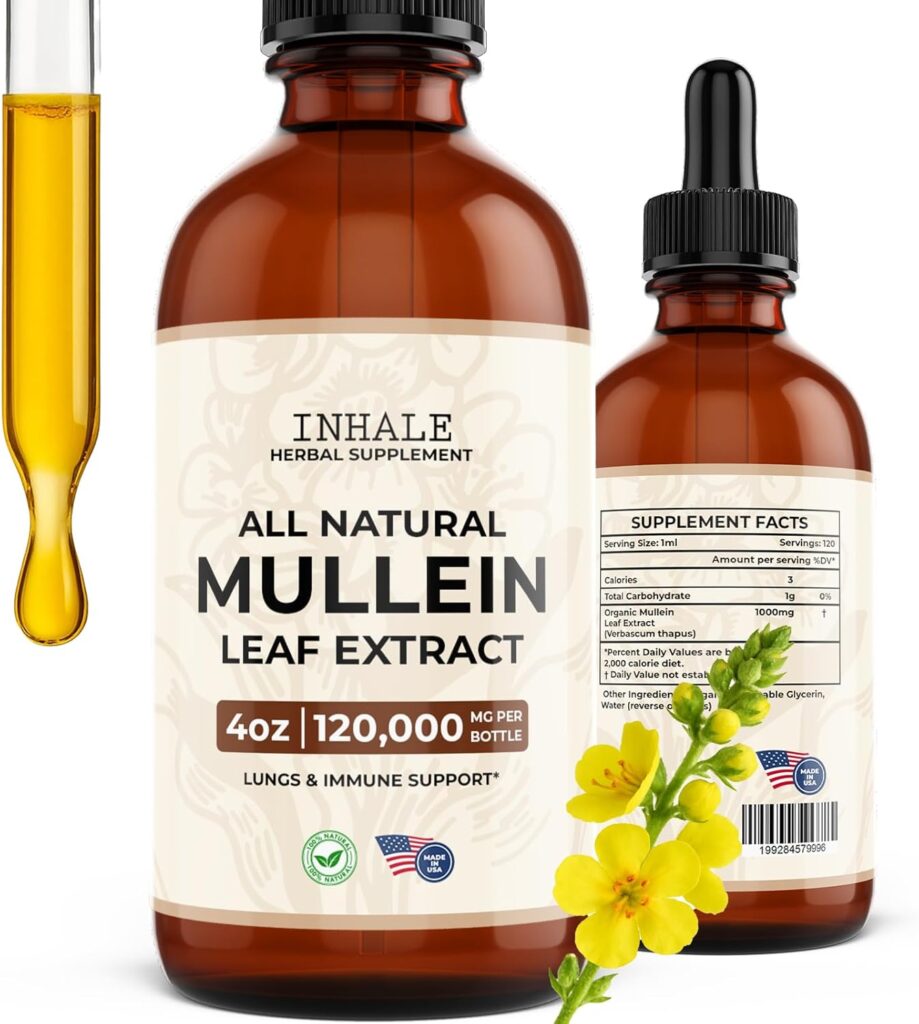
Out of all of the Mullein Drops I’ve tried, my personal favorite is Inhale’s Mullein Drops.
Inhale’s Mullein Drops are highly effective against chest congestion because the premium herbal extract acts as a natural expectorant, helping the lungs to clear mucus and phlegm.
The fast-absorbing liquid formula ensures rapid uptake of the active compounds, quickly providing mucus relief and soothing the throat and irritated airways.
Simply take a few drops per day, and you’re good to go!
2. Use a Humidifier or Steam
Moisture is a powerful tool for breaking up tough, sticky chest mucus.
Dry air allows mucus to become dehydrated and solidify in the airways.
Using a cool-mist humidifier in your bedroom overnight adds moisture to the air you breathe, which helps to hydrate and thin the phlegm.
Similarly, inhaling steam from a hot shower or a bowl of hot water for 10-15 minutes can provide immediate, penetrating relief by directly moistening the respiratory tract.
Adding a few drops of eucalyptus or peppermint essential oil to the steam can also help open airways.
3. Stay Highly Hydrated
Water is the body’s best natural expectorant.
When you are dehydrated, your body will conserve water by making mucus thicker and stickier.
Drinking plenty of fluids (water, herbal teas, and clear broths) is essential for keeping the mucus thin enough for your cilia and cough reflexes to move it out of the lungs.
Warm liquids are particularly helpful, as the heat helps soothe the throat and may further help loosen secretions.
Aim for at least eight glasses of water or hydrating fluids daily.
4. Practice Chest Percussion and Postural Drainage
When mucus is very stubborn, physical techniques can help break it up.
Postural drainage involves lying in different positions to help gravity drain mucus from the lungs.
This can be combined with chest percussion, where a partner lightly claps your chest or back with a cupped hand over the congested areas.
The rhythmic clapping creates vibrations that dislodge the thick mucus stuck to the airway walls, making it much easier to cough up and expel.
5. Take a Natural Expectorant (Honey and Lemon)
While over-the-counter cough suppressants can stop the cough, they often prevent the necessary expulsion of mucus.
Instead, focus on natural expectorants.
A simple mixture of raw honey and lemon juice provides dual benefits: Honey is a known cough suppressant that soothes the throat, while the combination of heat and acidity can help stimulate the production of thinner, more manageable mucus, supporting the body’s natural clearance process without suppressing the productive cough.
Ease Chest Congestion
Chest congestion is a clear signal that your body is fighting off an infection or irritation.
By using targeted, soothing methods like Mullein drops to encourage mucus clearance, along with increasing hydration and employing simple physical techniques, you can effectively ease the tightness in your chest and support a quicker return to comfortable, clear breathing.
As always, consult with your doctor about what will work best for you.
Thank you for reading, and breathe easy!
Affiliate Disclosure
Some of the links on this site are affiliate links. This means that if you click on the link and purchase the item, we may receive an affiliate commission at no extra cost to you. I only recommend products or services that I believe will add value to my readers, however some (not all) do pay us to be on this blog. Your support and theirs helps keep this blog running, and I genuinely appreciate it.
Medical Disclaimer
The information provided on this website is for educational purposes only and is not intended as medical advice. This blog or the writer is not a licensed healthcare professional, and the content should not be used as a substitute for professional medical diagnosis, treatment, or advice. Always consult with your physician or other qualified healthcare provider before starting any new treatment or making any changes to your healthcare routine.
