
Seeing your cat snuffle, sneeze, and retreat under the bed with a watery nose can be distressing.
Just like humans, felines can catch a “cold” that leaves them feeling congested, lethargic, and miserable.
While your cat can’t catch a cold virus from you, they are highly susceptible to their own species-specific respiratory bugs.
Supporting your cat’s immune system and keeping their airways clear is key to helping them recover quickly and return to their high-energy selves.
In this post, we will explore 5 ways to ease cat colds, starting with their causes.
Let’s dive in!
What Causes Cat Colds?
A “cat cold” is actually an upper respiratory infection (URI) affecting the nasal passages, sinuses, and throat.
The primary causes behind feline cold symptoms include:
- Feline Herpesvirus-1 (FHV-1): The leading culprit behind feline upper respiratory infections. FHV-1 causes intense sneezing, conjunctivitis, and clear-to-thick nasal discharge. Once a cat contracts herpesvirus, it remains dormant in their system and can flare up during times of stress.
- Feline Calicivirus (FCV): A resilient virus that causes classic cold symptoms along with painful sores or ulcers on the tongue and hard palate, often making eating uncomfortable.
- Secondary Bacterial Invaders: Bacteria such as Bordetella bronchiseptica and Chlamydia felis frequently step in after a viral infection takes hold, turning clear discharge into thick, cloudy mucus.
- Stress and Environmental Factors: Moving homes, introducing new pets, or sudden routine shifts suppress a cat’s immune system, allowing latent cold viruses to reactivate.
5 Ways to Ease a Cat Cold
Helping your cat overcome a cold requires a balanced routine that targets viral activity while offering immediate physical comfort.
1. Cat Lysine
The single most effective way to address feline colds—especially flare-ups driven by Feline Herpesvirus-1—is Cat Lysine.
L-Lysine is an essential amino acid that blocks the replication of FHV-1 inside your cat’s body by competing directly with arginine, a protein the virus relies on to multiply.
By adding a daily Lysine powder or treat to their meals, you effectively starve the virus at the cellular level, helping to shorten the duration of the cold, reduce viral shedding, and ease persistent sneezing and eye discharge.
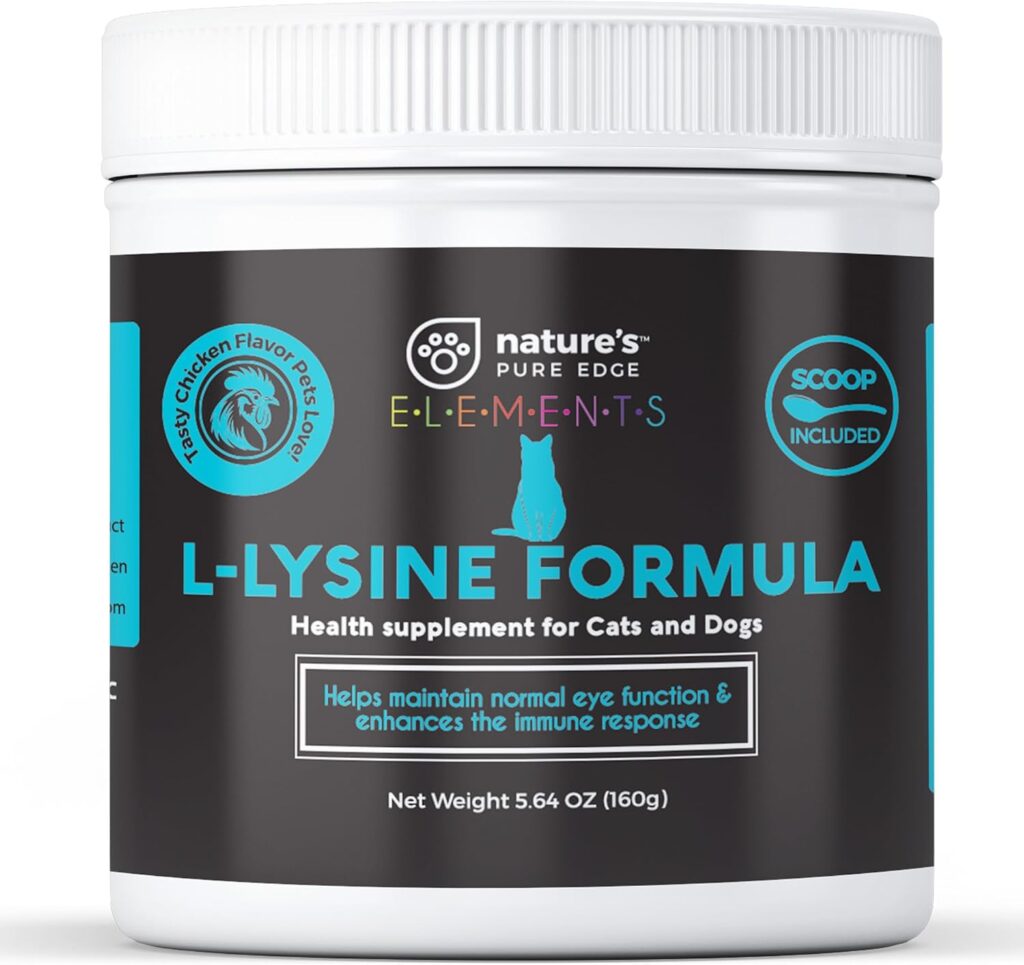
This is my cat’s favorite lysine because it blends pure L-lysine with savory chicken powder and brewer’s yeast, creating a delicious flavor that even picky eaters happily gobble up right from their bowl.
Unlike hard-to-swallow pills or messy gels, this highly palatable powder easily sprinkles over wet or dry food for stress-free, belly-friendly digestive comfort.
It provides powerful upper respiratory and immune support to help manage sneezing, runny noses, and watery eyes, keeping your cat healthy, active, and flare-up free.
Simply follow the directions on the back and you’re good to go!
2. Steam Sessions in the Bathroom
Thick mucus trapped in small nasal passages makes breathing difficult and unpleasant.
You can easily create a home sauna by running a hot shower with the bathroom door closed until the room fills with warm steam.
Bring your cat inside for 10 to 15 minutes of steam therapy twice a day.
The warm, moist air breaks up stubborn congestion, making it easier for them to sneeze out trapped fluids and breathe comfortably.
3. Gentle Face and Eye Cleansing
Cats with colds often get crusty buildup around their nostrils and eyes, which can be frustrating since they rely heavily on smell to navigate their environment.
Use a warm, damp soft cloth or soft cotton pad to gently wipe away dried mucus around their nose and eyes.
Always wipe gently outward, using a fresh surface of the cloth for each eye to prevent cross-contamination.
4. Entice Their Appetite with Warm, Smelly Food
When a cat’s nose is stuffed up, they lose their ability to smell their food, which often leads to a sudden loss of appetite.
Because keeping their energy up is vital for fighting off the infection, switch to canned wet food and warm it up briefly in the microwave.
Heating the food releases strong, inviting aromas that can penetrate their congestion.
You can also mix in a splash of warm, low-sodium bone broth to entice them while adding essential hydration.
5. Create a Warm, Stress-Free Sanctuary
Rest is the ultimate healer when your cat is fighting off a bug.
Isolate your sick pup in a quiet, warm room equipped with their favorite bedding, a clean litter box, and fresh water.
Keep them away from loud noises, household drafts, and other pets.
Minimizing stress helps stabilize their immune system, allowing their body to direct all its energy toward a swift recovery.
Ease Cat Colds
Most cat colds resolve within 7 to 10 days with proper care and nutritional support.
However, if your cat stops eating entirely for more than 24 hours, exhibits open-mouth breathing, or develops severe lethargy, consult your veterinarian promptly to ensure your cat receives proper diagnostic care.
Thank you for reading, and here is to clear breathing and a happy, healthy cat!
Affiliate Disclosure
Some of the links on this site are affiliate links. This means that if you click on the link and purchase the item, we may receive an affiliate commission at no extra cost to you. I only recommend products or services that I believe will add value to my readers, however some (not all) do pay us to be on this blog. Your support and theirs helps keep this blog running, and I genuinely appreciate it.
Medical Disclaimer
The information provided on this website is for educational purposes only and is not intended as medical advice. The content shared here is not written by a licensed veterinarian, and it should not be used as a substitute for professional veterinary diagnosis, treatment, or advice. Always consult with your veterinarian or other qualified pet healthcare provider before starting any new treatment or making changes to your pet’s health regimen.
